

Your IT department is the nervous system of your enterprise—essential for transmitting information quickly and effectively. However, business leaders focused on growth often overlook the new-era challenges in corporate IT management:
Rapid Tech Obsolescence: Technology evolves too fast for large, often rigid, organizations to implement new solutions effectively.
Integration Complexity: The IT landscape is fragmented with too many products and vendors, making integration difficult and communication costly.
The Talent Gap: IT talent is hard to find, expensive to retain, and employee turnover creates disruptive knowledge gaps.
Digital capability equals competitive strength.
But how do you evolve your IT management?
The first step is to disrupt the traditional mindset of “identify a need, then purchase.”
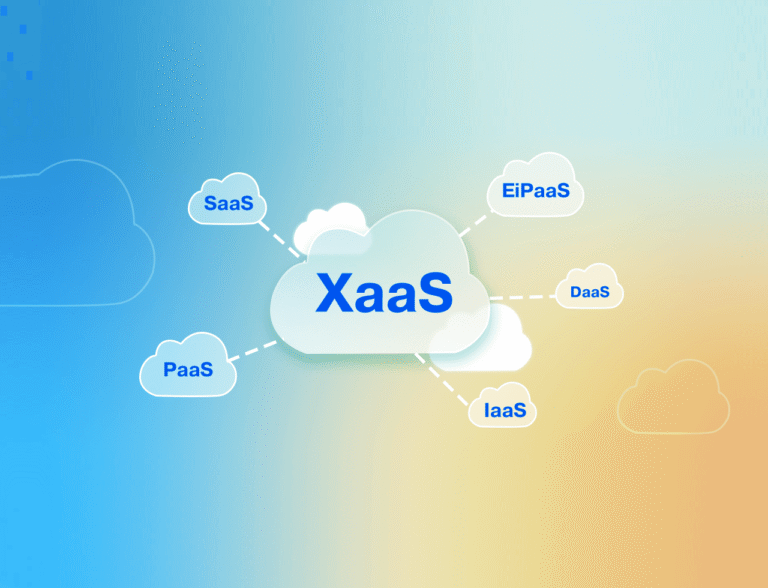
This approach ensures that software, hardware, and systems are aligned with actual requirements., and business applications work together like interlocking gears, companies now seek an XaaS Anything-as-a-service.
This approach consolidates complex needs into a single solution with more flexible, subscription-based pricing.
The first step is to disrupt the traditional mindset of “identify a need, then purchase.”
This approach ensures that software, hardware, and systems are aligned with actual requirements., and business applications work together like interlocking gears, companies now seek an XaaS Anything-as-a-service.
This approach consolidates complex needs into a single solution with more flexible, subscription-based pricing.
The Service-Native MSP: A Modern Business Model
The service-based business model is a definitive modern trend. MSPs (Managed Service Providers) are a prime example of this service-native model.
We offer businesses a subscription-based IT service where, for a fixed fee, clients easily gain access to the hardware, software, manpower, and expertise they need.
This solves the classic problem of multi-vendor technical integration, reduces financial and management overhead, and alleviates the internal pressure to constantly chase new technologies and skills.
We offer businesses a subscription-based IT service where, for a fixed fee, clients easily gain access to the hardware, software, manpower, and expertise they need.
This solves the classic problem of multi-vendor technical integration, reduces financial and management overhead, and alleviates the internal pressure to constantly chase new technologies and skills.
An MSP delivers value through five key dimensions:
Subscription Model:
The core MSP prototype. Pay a fixed, regular fee for integrated access to IT software, hardware, business consulting, and technical operations.
Service Platform:
A single platform for one-stop shopping, slashing communication costs and information gaps between your IT/procurement teams and multiple vendors.
Tailored Solutions:
Get cross-domain and cross-product solutions customized to your specific problems and needs, such as smart healthcare systems or integrated IT/OT security monitoring.
Transformation & Upgrade:
Act as an IT consultant to aid your digital transformation, helping implement cloud workflows and automation applications to achieve industry transformation and business expansion goals.
Derivative Services:
Access extended, value-added products. For example, an existing infrastructure management client can urgently lease/purchase laptops with pre-configured settings during a shift to remote work.
The core MSP prototype. Pay a fixed, regular fee for integrated access to IT software, hardware, business consulting, and technical operations.
Service Platform:
A single platform for one-stop shopping, slashing communication costs and information gaps between your IT/procurement teams and multiple vendors.
Tailored Solutions:
Get cross-domain and cross-product solutions customized to your specific problems and needs, such as smart healthcare systems or integrated IT/OT security monitoring.
Transformation & Upgrade:
Act as an IT consultant to aid your digital transformation, helping implement cloud workflows and automation applications to achieve industry transformation and business expansion goals.
Derivative Services:
Access extended, value-added products. For example, an existing infrastructure management client can urgently lease/purchase laptops with pre-configured settings during a shift to remote work.
The Operational Advantage of the MSP Model
From a pure operational standpoint, an MSP model is highly efficient:
No major inventory pressure or fixed-capital investment.
No product R&D or production line supply issues.
The primary investment is in human capital and training, a cost that decreases with the learning curve.
This lean model allows us to dynamically adapt, absorb new technologies, and find the perfect Product-Market Fit quickly.
No major inventory pressure or fixed-capital investment.
No product R&D or production line supply issues.
The primary investment is in human capital and training, a cost that decreases with the learning curve.
This lean model allows us to dynamically adapt, absorb new technologies, and find the perfect Product-Market Fit quickly.
Connecting Product Silos with Service for Maximum Synergy
While many “Anything as a Service” offerings exist, their transaction model often masks what is still fundamentally a product—where the buyer still must provide the “people” to manage and maintain it.
An MSP, however, offers service as a product. We connect disparate technology “islands” into a unified service platform, delivering a true “hands-off” experience for the client.
An MSP, however, offers service as a product. We connect disparate technology “islands” into a unified service platform, delivering a true “hands-off” experience for the client.
Benefits for Your Business Strategy:
Recurring Revenue: Builds stable, long-term partnerships.
Rapid Scalability: Technical and industry expertise can be quickly replicated across clients.
Collaborative Flexibility: Easily partners with other specialists to create complementary solutions.
Rapid Scalability: Technical and industry expertise can be quickly replicated across clients.
Collaborative Flexibility: Easily partners with other specialists to create complementary solutions.
Benefits for Enterprise Clients:
Continuous Support: We don’t disappear after a project ends; we guarantee ongoing maintenance.
Proactive IT: Shifts IT from a passive cost center to a proactively managed asset, reducing trial-and-error costs.
Financial Transparency: Offers more flexibility than traditional procurement with full financial and management visibility.
Proactive IT: Shifts IT from a passive cost center to a proactively managed asset, reducing trial-and-error costs.
Financial Transparency: Offers more flexibility than traditional procurement with full financial and management visibility.
Benefits for Technology Partners:
Effective Implementation: The MSP handles holistic client assessment and product implementation.
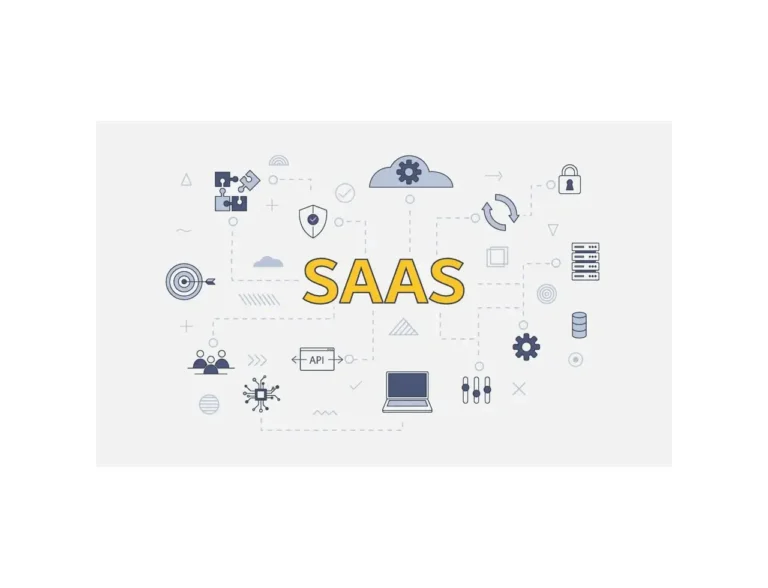
Guaranteed Engagement: Ensures high activation rates and Monthly Active Users (MAU) for SaaS products.
Enhanced Focus: Partners can focus on their core R&D and business, confident that client experience is managed.
Guaranteed Engagement: Ensures high activation rates and Monthly Active Users (MAU) for SaaS products.
Enhanced Focus: Partners can focus on their core R&D and business, confident that client experience is managed.
Conclusion: Selling “Addition” and “Trust” in the B2B World
The demand for professional, integrated services isn’t limited to individual consumers; enterprises are actively seeking them too.
B2B services sell “Addition” and “Trust.”
“Addition” means building upon basic functional needs to deliver greater production efficiency, added value, cost reduction, and management flexibility.
“Trust” is paramount. Since a service is intangible, its sale is fundamentally a sale of trust. Trust is priceless and has the highest barrier to entry.
But with trust comes healthy, long-term collaboration and organic growth.
Ready to transform your IT from a cost center into a competitive advantage?
Explore our managed IT services today