

In today’s connected world, a stable online presence is crucial for business.
While most devices use changing, dynamic IP addresses, many critical business functions require the consistency of a static IP address.
This definitive guide breaks down everything you need to know:
what a static IP address is, how it compares to dynamic IPs, the critical shift from IPv4 to IPv6, associated static IP costs, and the top reasons your business might need one.
While most devices use changing, dynamic IP addresses, many critical business functions require the consistency of a static IP address.
This definitive guide breaks down everything you need to know:
what a static IP address is, how it compares to dynamic IPs, the critical shift from IPv4 to IPv6, associated static IP costs, and the top reasons your business might need one.
What is a Static IP Address?
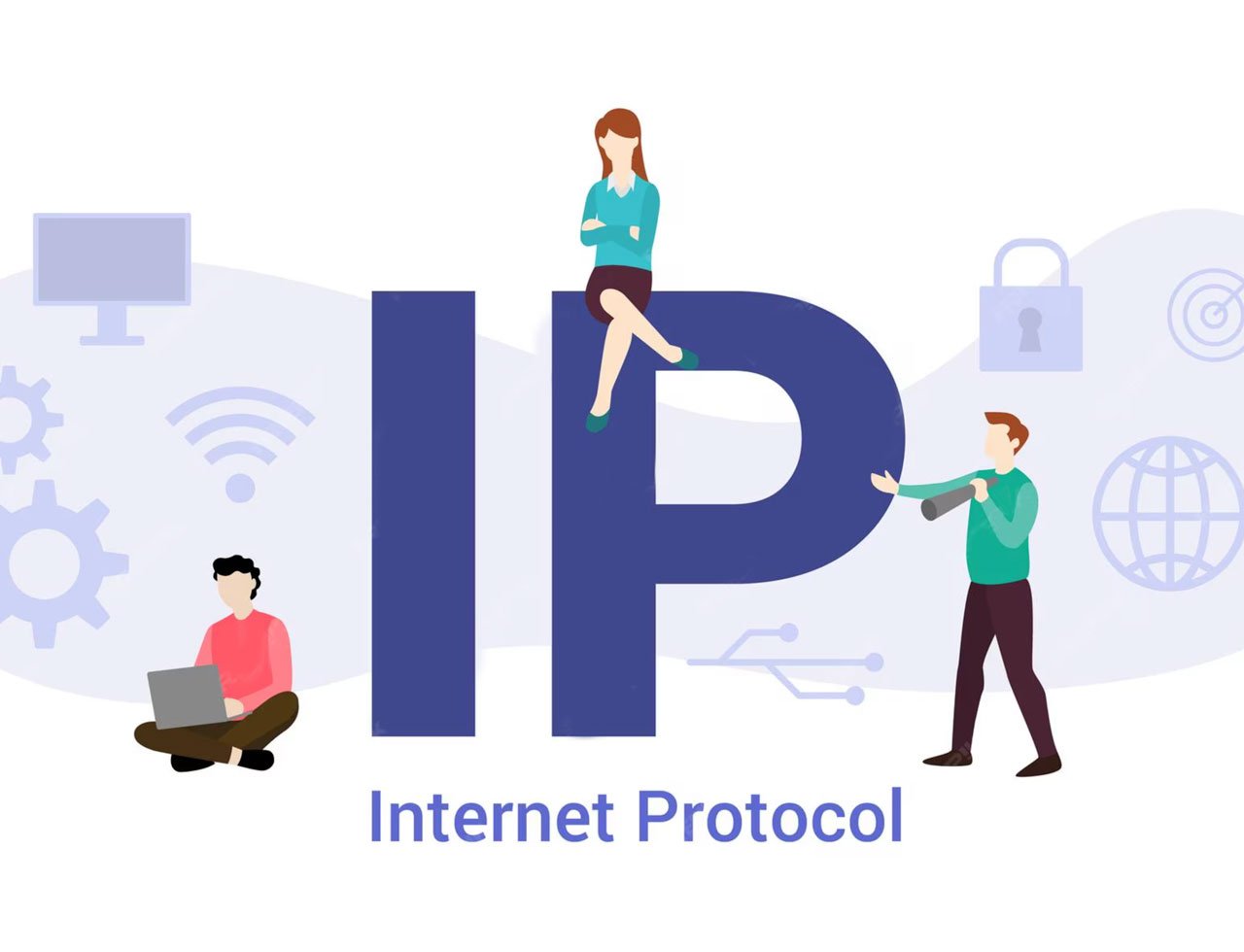
A static Internet Protocol (IP) address is a fixed, numerical identifier permanently assigned to a device on a network, such as a web server, email server, or router.
Unlike dynamic IP addresses, which change each time a device reconnects to the internet, a static IP remains constant.
This reliability provides a permanent and easy-to-find point of contact on the internet, which is essential for services that need consistent remote access.
Key Takeaway: Think of a static IP as your business’s permanent, public-facing street address, while a dynamic IP is a temporary hotel room number.
Unlike dynamic IP addresses, which change each time a device reconnects to the internet, a static IP remains constant.
This reliability provides a permanent and easy-to-find point of contact on the internet, which is essential for services that need consistent remote access.
Key Takeaway: Think of a static IP as your business’s permanent, public-facing street address, while a dynamic IP is a temporary hotel room number.
IP Address Basics: The Internet’s Phonebook
An IP address is a unique string of numbers that identifies every device connected to the internet or a local network.
Format: It looks like a series of numbers separated by dots (e.g., 192.168.1.1 for IPv4) or colons (e.g., 2001:0db8:85a3::8a2e:0370:7334 for IPv6).
Purpose: “IP” stands for Internet Protocol—the set of rules governing data format sent online. IP addresses ensure data is routed to the correct destination, much like a postal address ensures mail delivery.
Format: It looks like a series of numbers separated by dots (e.g., 192.168.1.1 for IPv4) or colons (e.g., 2001:0db8:85a3::8a2e:0370:7334 for IPv6).
Purpose: “IP” stands for Internet Protocol—the set of rules governing data format sent online. IP addresses ensure data is routed to the correct destination, much like a postal address ensures mail delivery.
IPv4 vs. IPv6: Why This Critical Transition Impacts Your Business
The type of IP address your business uses matters greatly for future growth and cost management.
What is IPv4?
Internet Protocol version 4 (IPv4) is the most widely used protocol.
It uses a 32-bit address scheme, allowing for about 4.3 billion unique addresses.
It uses a 32-bit address scheme, allowing for about 4.3 billion unique addresses.
The Problem:
With billions of internet-connected devices, we have effectively run out of new IPv4 addresses.
The Result:
Scarcity has driven up the cost of IPv4 addresses, making them a more expensive and less sustainable long-term option.
What is IPv6?
Internet Protocol version 6 (IPv6) is the solution to IPv4 exhaustion. It uses a 128-bit address scheme, creating a virtually limitless pool of addresses—340 undecillion, to be exact.
Future-Proof:
IPv6 is designed to meet the world’s IP address needs for the foreseeable future, supporting the explosive growth of IoT devices and new technologies.
Inevitability:
The transition from IPv4 to IPv6 is not a matter of if but when for every modern business.
Key Challenges of the IPv4 to IPv6 Transition
Migrating your business network from IPv4 to IPv6 is a complex project, not a simple upgrade.
Understanding the hurdles is the first step to a successful strategy.
Understanding the hurdles is the first step to a successful strategy.
1. Hardware and Network Compatibility
• You must audit all network hardware (routers, switches, firewalls) for IPv6 support.
• Older equipment may require costly upgrades or full replacement.
• The process of re-IPing your entire network requires extensive planning and testing to avoid downtime.
• Older equipment may require costly upgrades or full replacement.
• The process of re-IPing your entire network requires extensive planning and testing to avoid downtime.
2. External Dependencies
• Your network’s performance depends on partners and your ISP. If they are not fully IPv6-ready, your migration could cause service disruptions.
3. Security and Compliance
• Transitioning can expose new vulnerabilities. Managing security across a hybrid IPv4 / IPv6 environment requires meticulous planning to maintain compliance and protect your data.
4. Complex Network Mapping
• IPv6 introduces different address types and configurations that don’t have a direct one-to-one mapping with IPv4, requiring a new approach to network topology.
Static vs. Dynamic IP Addresses: Which is Right for Your Business?
The assignment method defines whether an IP is static or dynamic.
| Feature | Static IP Address | Dynamic IP Address |
| Assignment | Manually configured and fixed. | Automatically assigned by a DHCP server from a pool. |
| Consistency | Never changes. | Changes periodically (e.g., upon reboot). |
| Best For | Hosting servers (web, email), VPN access, remote systems. | General web browsing, personal devices, IoT sensors. |
| Cost | Often has an additional fee from your ISP. | Typically included standard with your internet service. |
Pro Tip: While people often equate “static” with “public” and “dynamic” with “private,” the key distinction is permanence.
A public static IP gives your business a reliable, unchanging presence on the open internet.
Top 3 Business Use Cases for a Public Static IP
When does your business need to invest in a dedicated static IP?
Here are the most common scenarios:
Here are the most common scenarios:
1. Hosting Your Own Servers
If you host your website, email server, or FTP server on-premises, a static IP is non-negotiable. It allows the outside world to always find your services at the same address.
2. Enabling Reliable Remote Access
If you host your website, email server, or FTP server on-premises, a static IP is non-negotiable. It allows the outside world to always find your services at the same address.
3. Supporting Certain VoIP Systems
Many Voice over IP (VoIP) phone systems require a static IP to ensure clear, consistent call quality and reliable connection to the service provider.
Ready to Secure Your Business’s Online Presence?
Understanding your IP needs is the first step toward building a robust and reliable network.
Whether you’re setting up a new server, enabling a remote workforce, or planning your long-term IPv6 transition strategy, having the right foundation is critical.
Consult with our network experts today to find the right static IP solution for your business.
Whether you’re setting up a new server, enabling a remote workforce, or planning your long-term IPv6 transition strategy, having the right foundation is critical.
Consult with our network experts today to find the right static IP solution for your business.