

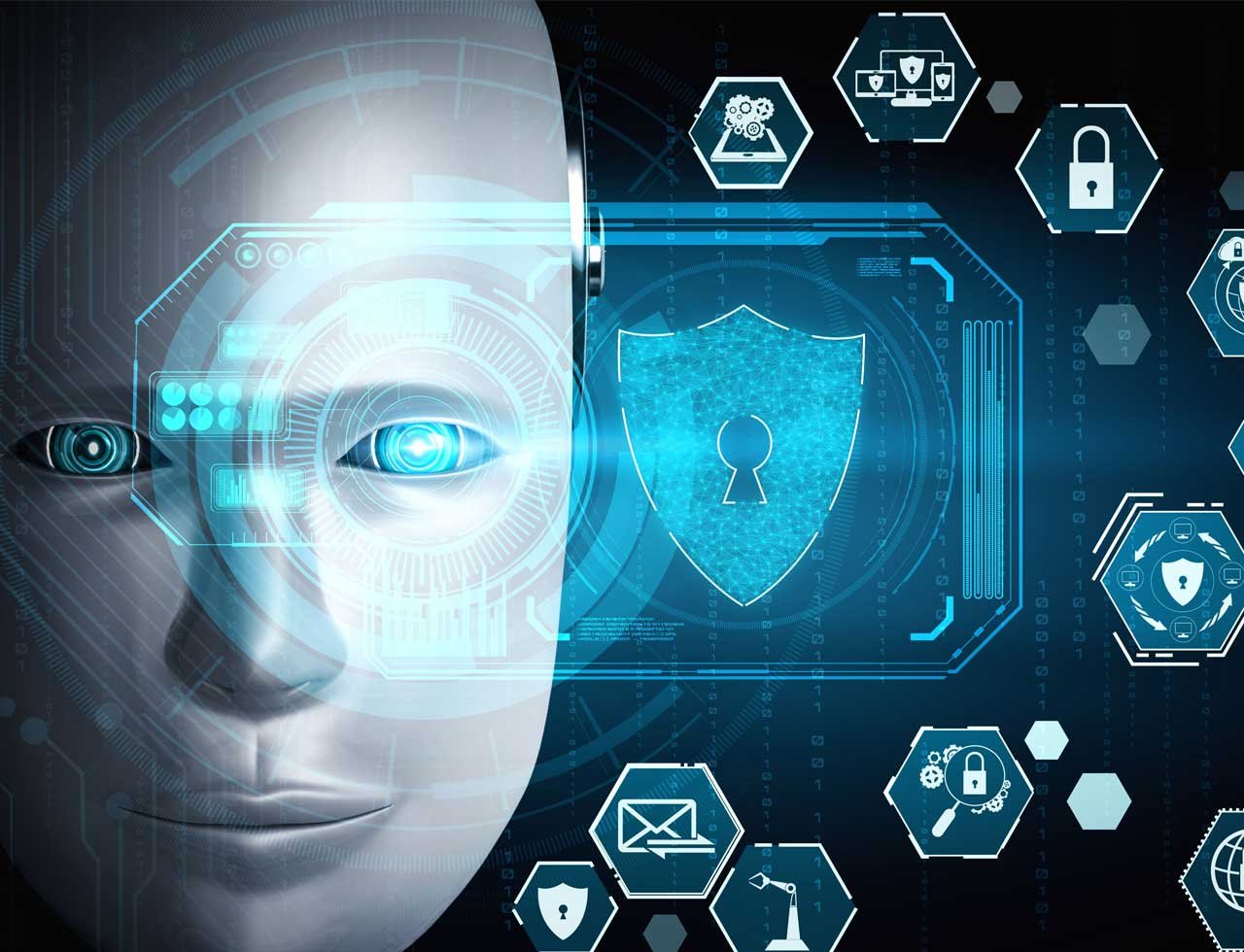
Artificial Intelligence is fundamentally transforming cybersecurity, enabling organizations to detect threats faster, automate responses, and predict attacks proactively. With the global AI cybersecurity market projected to reach $115 billion by 2030, this technology is no longer optional—it’s essential for robust defense.
Why AI is a Cybersecurity Game-Changer
• Analyzes vast data at unprecedented speeds to identify hidden threats
• Automates real-time responses, slashing incident reaction time
• Learns and adapts using machine learning (ML) to counter evolving attacks
• Predicts future threats through advanced pattern recognition
Key Insight: While cybercriminals weaponize AI, defenders leverage it to stay ahead—automating security and freeing human experts for strategic tasks.
The Critical Role & Impact of AI in Cybersecurity
1. Advanced Threat Detection & Automated Response
AI-powered systems use ML algorithms to monitor network traffic 24/7, spotting anomalies and suspicious behavior instantly. When threats emerge:
• Automated countermeasures isolate affected systems instantly
• Patches deploy against vulnerabilities in real-time
• Response times shrink from hours to milliseconds
Result: Reduced breach impact and minimized downtime.
• Automated countermeasures isolate affected systems instantly
• Patches deploy against vulnerabilities in real-time
• Response times shrink from hours to milliseconds
Result: Reduced breach impact and minimized downtime.
2. Predictive Analytics: Stopping Attacks Before They Strike
By analyzing historical attack data, AI:
• Forecasts future threats with high accuracy
• Identifies security gaps in your infrastructure
• Recommends tailored defense strategies for unique risks
• Continuously adapts to new attack methodologies
• Proactive Defense Tip: Integrate predictive tools to harden systems before breaches occur.
• Forecasts future threats with high accuracy
• Identifies security gaps in your infrastructure
• Recommends tailored defense strategies for unique risks
• Continuously adapts to new attack methodologies
• Proactive Defense Tip: Integrate predictive tools to harden systems before breaches occur.
3. Security Automation: Efficiency at Scale
AI handles repetitive tasks like:
• Continuous vulnerability scanning
• Real-time traffic analysis
• Instant incident response
• Security policy enforcement
• Continuous vulnerability scanning
• Real-time traffic analysis
• Instant incident response
• Security policy enforcement
Benefits:
✓ 90% faster threat response
✓ Reduced human error
✓ Security teams focus on complex threats
✓ 24/7 infrastructure monitoring
✓ 90% faster threat response
✓ Reduced human error
✓ Security teams focus on complex threats
✓ 24/7 infrastructure monitoring
Key Challenges & Limitations
Despite its power, AI cybersecurity faces hurdles:
• Data Privacy Risks: Massive data analysis risks exposing sensitive information
• Ethical Dilemmas: Balancing surveillance capabilities with user privacy rights
• Evolving Regulations: Compliance in fragmented legal landscapes
• AI-Powered Attacks: Offensive use of AI by threat actors
• Data Privacy Risks: Massive data analysis risks exposing sensitive information
• Ethical Dilemmas: Balancing surveillance capabilities with user privacy rights
• Evolving Regulations: Compliance in fragmented legal landscapes
• AI-Powered Attacks: Offensive use of AI by threat actors
Critical Balance: Organizations must implement robust data governance and ethical AI frameworks to maintain trust.
The Future: AI-Driven Security Automation
Emerging Trends Shaping 2030:
• AI-Powered Threat Hunting: Proactively uncovering zero-day and advanced persistent threats (APTs)
• Offensive Security AI: Simulating hyper-realistic attacks to expose system weaknesses
• Quantum AI: Developing encryption that outpaces quantum computing threats
• Adaptive ML Systems: Self-learning defenses against polymorphic malware
• Offensive Security AI: Simulating hyper-realistic attacks to expose system weaknesses
• Quantum AI: Developing encryption that outpaces quantum computing threats
• Adaptive ML Systems: Self-learning defenses against polymorphic malware
Conclusion: Embrace AI or Risk Obsolescence
AI isn’t just enhancing cybersecurity—it’s redefining it. Organizations adopting AI-driven security automation gain decisive advantages:
• Proactive threat prevention through predictive analytics
• Operational efficiency via automated workflows
• Real-time defense against sophisticated attacks
• Future-proofing against evolving cybercrime tactics
Ready to transform your cybersecurity? Discover how AI protects your business →goipgroup.com